Introduction

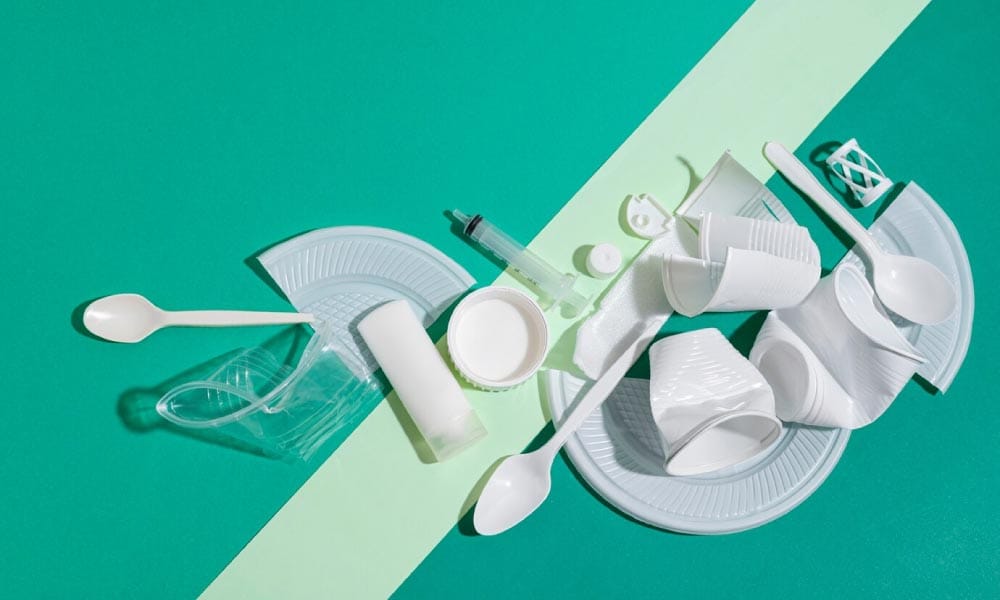
Plastic waste can be found almost everywhere, from roadsides and rivers to beaches. One way we can help reduce this problem is by understanding plastic recycling and sorting plastic waste correctly.
You may have seen a triangle symbol with a number on plastic packaging. This code identifies the type of plastic used. Understanding these codes can make it easier to separate plastics and know which types are commonly recycled.
Types of Plastic and Their Recycling Codes
There are seven common plastic identification codes. Some are easier to recycle than others. Here is a simple explanation of each type.
1. Code 1: PET (Polyethylene Terephthalate)
PET is commonly used for mineral water bottles, soft drink bottles, and some cooking oil bottles. It is clear, lightweight, strong, and widely used for food and beverage packaging.
PET is one of the most commonly recycled plastics. Recycled PET can be turned into textile fibres, carpets, packaging, and new bottles.
2. Code 2: HDPE (High-Density Polyethylene)
HDPE is commonly used for milk bottles, detergent containers, shampoo bottles, and household cleaning product containers. It is strong and has good chemical resistance.
HDPE is also widely recycled. Recycled HDPE can be used to make bins, outdoor furniture, containers, and other plastic products.
3. Code 3: PVC (Polyvinyl Chloride)
PVC is often used for water pipes, toys, and some types of plastic wrapping. It is strong and versatile, but its recycling process can be difficult and costly.
PVC usually needs to be separated from other plastics and processed by a suitable recycling facility. Where possible, reducing the use of difficult-to-recycle PVC products can make waste management easier.
4. Code 4: LDPE (Low-Density Polyethylene)
LDPE is commonly found in shopping bags, bread bags, and flexible plastic packaging. It is lightweight, flexible, and often transparent.
LDPE used to be more difficult to recycle because thin plastic can interfere with some recycling machines. Today, some facilities accept clean LDPE and turn it into new bags, composite materials, and other products. Always check whether your local recycling facility accepts it.
5. Code 5: PP (Polypropylene)
PP is widely used in food containers, bottle caps, straws, and many household and industrial products. It is lightweight, strong, and resistant to heat.
PP can be recycled into products such as storage containers, brushes, battery cases, and automotive components.
6. Code 6: PS (Polystyrene)
Polystyrene is commonly known in its foam form as Styrofoam. It is also used for disposable cups, takeaway food containers, and egg packaging.
PS is lightweight and inexpensive, but it can be difficult to recycle because it takes up a lot of space, is very light, breaks easily, and can be difficult to clean. For this reason, many recycling facilities do not accept it.
7. Code 7: Other Plastics
Code 7 covers plastics that do not fit into codes 1 to 6, including some mixed plastics and materials such as polycarbonate (PC) or PLA (polylactic acid).
These materials can be difficult to recycle because they may require specialised processing. Many standard recycling facilities cannot process them, so it is useful to check local recycling rules before disposal.
Why Is It Important to Know the Plastic Codes?
Understanding plastic types helps us sort waste more carefully. Correct sorting can make the recycling process more efficient and reduce contamination between different materials.
Before throwing away a plastic item, check its identification code and find out whether your local recycling service accepts that type. This small habit can make waste management more effective.
Conclusion
PET (Code 1), HDPE (Code 2), and PP (Code 5) are among the plastics commonly recycled. PVC (Code 3), PS (Code 6), and Code 7 plastics are generally more difficult to process, while LDPE (Code 4) may require a suitable recycling facility.
Starting with simple waste separation at home can make a meaningful difference. Recycling can help reduce plastic waste and support better use of resources. The important thing is to understand the material, sort it correctly, and follow the recycling rules available in your area.
Tags: Plastic Recycling, Plastic Types, Plastic Codes, Environment, Sustainable Lifestyle, Plastic Waste, Recycling