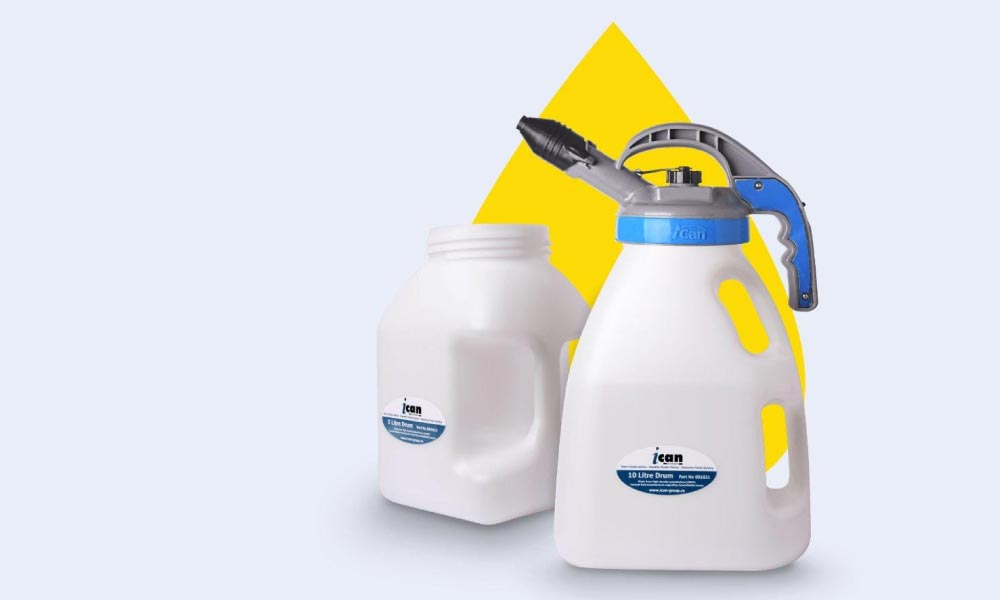
In industrial operations, efficiency and reliability are important. An Oil Transfer Container is a key part of many oil storage and transfer processes. Proper maintenance helps keep the container safe, extend its service life, and reduce the risk of leaks, contamination, or unexpected damage.
This guide explains practical maintenance steps that can help keep an Oil Transfer Container in good working condition.
Why Oil Transfer Container Maintenance Matters
Regular maintenance is a long-term investment. It can help prevent damage, reduce repair costs, and support safer oil handling.
- Operational safety: regular checks can identify damage that may lead to leaks or spills.
- Efficiency and performance: a clean and well-maintained container is easier to use and less likely to interrupt operations.
- Cost savings: early maintenance can prevent larger problems that require expensive repairs or replacement.
- Compliance: routine maintenance can help businesses meet applicable storage and handling requirements.
Regular Maintenance Steps
1. Perform a Visual Inspection
Inspect the container before and after use. Look for cracks, deformation, corrosion, loose parts, damaged seals, or other visible problems.
- Check the surface: look for dents, cracks, or unusual deformation.
- Inspect seals and lids: make sure they close correctly and are not damaged.
- Look for corrosion: check metal parts and fittings for signs of rust or deterioration where applicable.
2. Clean the Container Regularly
Residue from previous use can affect fluid cleanliness and container performance. Follow the manufacturer’s cleaning instructions and use cleaning products that are compatible with the container material and the fluid being handled.
- Clean the inside: remove oil residue and unwanted material.
- Clean the outside: remove dirt that may hide damage or affect the protective surface.
- Dry thoroughly: make sure the container is dry before reuse when the application requires it.
3. Maintain Moving Components
If the container has valves, hinges, pumps, or other moving parts, inspect them regularly. Lubricate only the components that require lubrication and use a product recommended by the manufacturer.
4. Check for Pressure Problems and Leaks
Where the transfer system operates under pressure, make sure the container and connected equipment remain within their rated operating limits.
- Monitor pressure: use suitable measuring equipment when required.
- Check for leaks: inspect fittings, seals, hoses, and connection points.
- Take action quickly: repair or replace damaged components before returning the equipment to service.
Detailed Inspection and Cleaning
Structural Inspection
For containers used in demanding industrial environments, more detailed inspection may be needed from time to time. Check structural condition, connection points, fittings, bolts, and other components according to the manufacturer’s recommendations.
Effective Cleaning Procedures
Use an appropriate cleaning method for the container material and the oil being handled. Some industrial applications may require specialised cleaning procedures. Always follow the relevant technical and safety guidance.
Safe and Effective Storage
Choose the Right Storage Location
- Store containers in a dry, well-ventilated area.
- Protect them from excessive heat and direct sunlight.
- Keep them away from incompatible chemicals and sources of physical damage.
Keep Storage Organised
Arrange containers so they can be inspected and moved safely. Suitable racks or storage systems may help prevent accidental impact and make better use of available space.
Keep Maintenance Records
A simple maintenance log can record cleaning, inspections, repairs, and replacement of parts. This makes it easier to track the condition and history of each container.
Factors That Affect Oil Transfer Container Performance
1. Material Quality
The container material should be compatible with the fluid, temperature, pressure, and working environment. High-quality materials can improve durability and resistance to damage.
2. Design and Construction
An ergonomic and well-built container can make handling easier while reducing stress on fittings and other components.
3. Operating Environment
Humidity, temperature, sunlight, dust, and chemical exposure can all affect container life. Consider these conditions when planning storage and maintenance.
4. Frequency of Use
Containers used frequently may need more regular inspection because seals, closures, hoses, valves, and other parts can wear over time.
Practical Maintenance Tips
- Train operators to use and maintain the container correctly.
- Use monitoring equipment where it provides useful information for the application.
- Follow manufacturer recommendations for spare parts and maintenance intervals.
- Review maintenance procedures regularly.
- Create a clear maintenance schedule.
- Always make safety the priority during inspection, cleaning, and repair.
Long-Term Benefits of Good Maintenance
- Longer service life: regular care can reduce premature wear.
- Better efficiency: equipment in good condition is less likely to cause interruptions.
- Lower costs: preventive maintenance can reduce unexpected repair and replacement expenses.
- More reliable transfer: clean and properly maintained components support smoother oil handling.
Conclusion
An Oil Transfer Container is an important part of an organised oil storage and transfer system. Regular inspection, proper cleaning, correct storage, and timely replacement of worn components can help keep it safe and reliable.
By following a consistent maintenance schedule and the manufacturer’s recommendations, businesses can improve container life, reduce downtime, and support cleaner and safer oil handling.