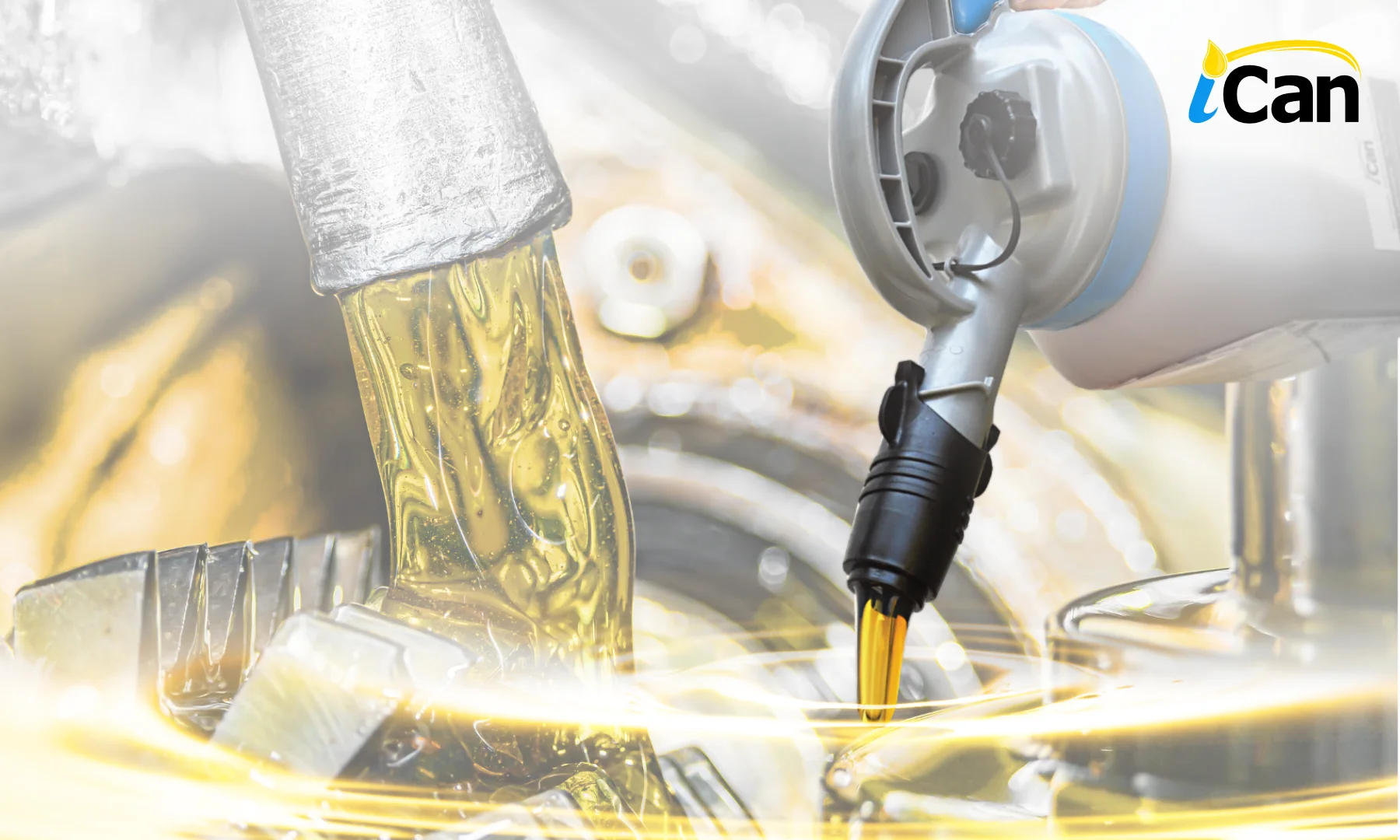

Lubrication plays an important role in keeping industrial machines and equipment working properly. A good lubrication process can reduce friction, limit wear, lower maintenance costs, and support better productivity.
One useful part of a lubrication system is the grease coupler. A reliable grease coupler helps connect a grease gun to the lubrication point so grease can be delivered more accurately and with less waste.
Why Proper Lubrication Is Important
Every moving machine component needs the correct amount of lubrication to operate smoothly. Without enough lubrication, friction increases and components can wear faster, overheat, or fail.
A suitable grease coupler helps maintenance teams apply grease to the correct point and maintain a more consistent lubrication routine.
How a Grease Coupler Works
A grease coupler connects the grease gun or lubrication hose to a grease fitting on the machine. When the connection is secure, grease can flow from the gun into the lubrication point.
A good coupler helps:
- reduce grease leakage at the connection;
- deliver grease to the intended lubrication point;
- make connecting and disconnecting easier;
- support more consistent maintenance work.
Benefits of an Efficient Grease Coupler
1. Saves Time and Operating Costs
A coupler that connects quickly and securely can reduce the time needed for routine lubrication. It can also help reduce wasted grease and unnecessary clean-up.
2. Supports Longer Machine Life
When lubrication points receive the correct grease at the right time, moving components are better protected against friction and wear. This can help reduce premature component damage.
3. Makes Maintenance Easier
A reliable coupler can simplify routine servicing, especially when operators need to lubricate many fittings. Easier maintenance also supports more consistent preventive maintenance schedules.
How to Improve Lubrication with Grease Couplers
Evaluate Lubrication Requirements
Before choosing a coupler, review the machine’s grease fittings, required pressure, grease type, access conditions, and maintenance frequency. This helps ensure the coupler is compatible with the application.
Use the Right Lubrication Equipment
Match the grease coupler with a suitable grease gun, hose, and fitting. The working pressure and connection type should meet the equipment manufacturer’s requirements.
Train Maintenance Staff
Operators should know how to connect and release the coupler correctly, how much grease to apply, and how to identify signs of a damaged fitting or coupler.
Inspect the Coupler Regularly
Even a good grease coupler requires routine inspection. Check the jaws or locking mechanism, seals, threads, and connection surfaces for wear or damage.
Common Implementation Challenges
Compatibility
Different machines may use different grease fitting sizes, pressures, and access positions. A coupler that works well on one machine may not be suitable for another.
Solution: Select Equipment for the Application
Choose the coupler based on the actual operating requirements. Where necessary, consult the equipment supplier or a lubrication specialist before changing the lubrication setup.
Conclusion
An efficient grease coupler is a small component that can make routine lubrication easier and more reliable. By creating a secure connection between the grease gun and the machine, it can help reduce grease waste, save maintenance time, and support consistent lubrication.
For the best results, select a compatible coupler, train operators, inspect the equipment regularly, and include lubrication work in a structured preventive maintenance program.