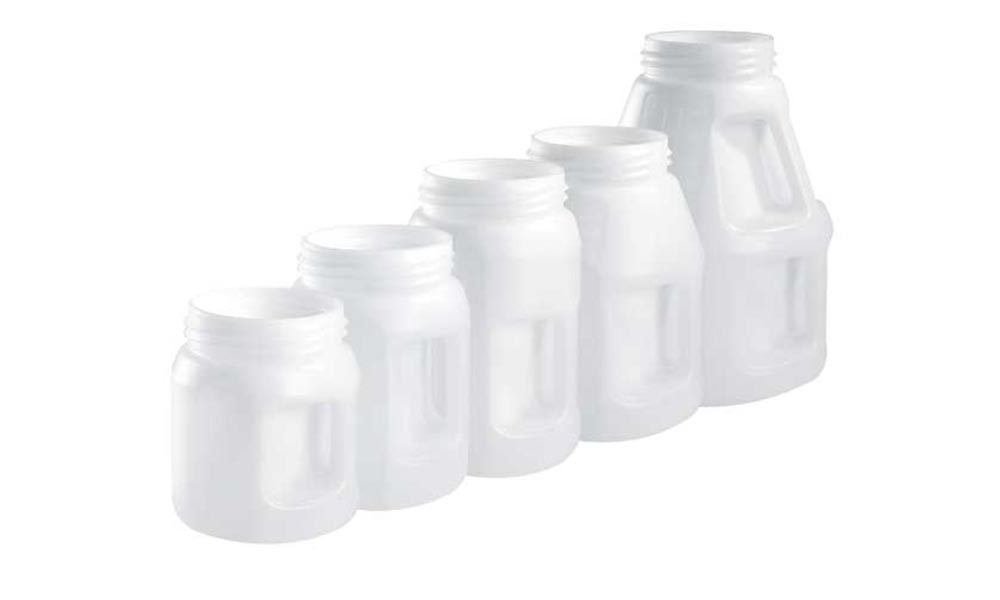
Heavy Duty Oil Containers can play an important role in industrial storage and fluid-handling operations. In demanding environments, equipment needs to be durable, reliable, and suitable for the conditions in which it will be used.
This article explains several features and applications commonly associated with heavy-duty oil containers and why they can be valuable in industrial operations.
Technology and Design of Heavy Duty Oil Containers
Heavy-duty containers are designed to withstand demanding operating conditions. Depending on the product and application, important features may include durable materials, reinforced construction, corrosion resistance, and secure closures.
Corrosion Resistance
Containers made from suitable stainless steel, composites, or other corrosion-resistant materials can provide better protection in environments where moisture or chemicals are present.
Ergonomic and Modular Design
A practical design can make containers easier to move, install, inspect, and integrate into fluid-handling systems. Modular systems can also simplify maintenance or replacement of individual components.
Integrated Safety Features
Some industrial systems may include pressure monitoring, leak detection, or other safety features. These tools can help operators identify abnormal conditions before they develop into larger problems.
Materials and Manufacturing
The durability of an oil container depends heavily on the material and manufacturing quality. Industrial containers may use high-quality materials and controlled production processes to achieve the required strength and reliability.
Strong Construction
Where welded metal construction is used, good welding quality is important for structural strength and leak resistance.
Quality Testing
Depending on the design, containers may be tested for pressure, leakage, temperature resistance, or other performance requirements before use.
Protective Finishes
Some containers use protective coatings or finishes to improve resistance to scratches, impact, corrosion, or harsh working conditions.
Main Benefits for Industry
Operational Efficiency
A durable and easy-to-handle oil container can reduce interruptions during routine fluid storage and transfer tasks.
Improved Safety
Secure closures, suitable materials, and proper monitoring can help reduce the risk of leaks and spills.
Easier Maintenance
Well-designed systems can make inspection, cleaning, and replacement of worn components easier, helping reduce long-term maintenance costs.
Flexible Applications
Heavy-duty oil containers can be used across different industrial sectors where oils or compatible fluids need to be stored and moved safely.
Industrial Applications
1. Manufacturing
Manufacturing facilities use oil containers to support machine maintenance, oil storage, and fluid transfer. Reliable containers help keep routine servicing organised.
2. Mining
Mining environments can expose equipment to dust, vibration, temperature changes, and heavy use. Containers used in these conditions need suitable durability and protection.
3. Transport and Logistics
Transport operations depend on regular maintenance of vehicles and equipment. Oil containers can support organised storage and servicing across workshops and fleet-maintenance areas.
4. Energy and Utilities
Power generation and utility facilities may use oil for different types of equipment. Suitable storage and transfer containers can support clean and controlled handling.
Conclusion
Heavy Duty Oil Containers are designed for industrial environments where durability, safe handling, and reliability are important. The right container should be selected according to the fluid, capacity, operating conditions, and applicable safety requirements.
When combined with proper inspection, maintenance, and storage practices, a suitable heavy-duty oil container can support more efficient and safer industrial operations.