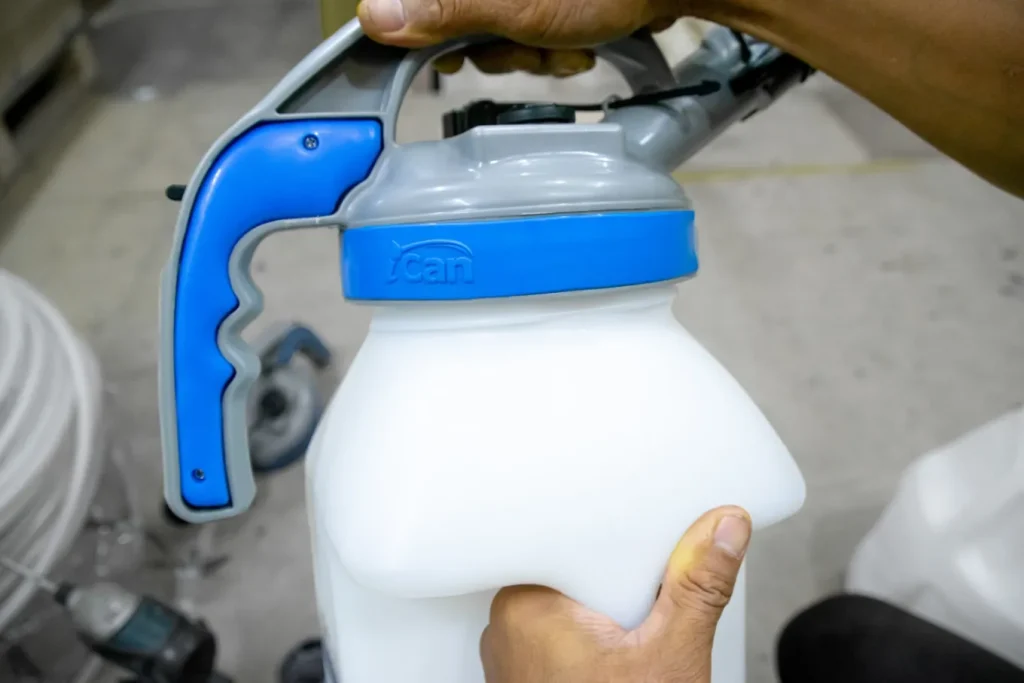
What Is iTag?
iTag is a colour-based labelling system designed to make fluid identification easier. With ten bright colour options, iTag helps users distinguish between different fluids, reduce identification mistakes, and support more organised fluid handling.
This visual identification system can be useful in different working environments, from laboratories to manufacturing facilities, where clear and consistent fluid identification can improve efficiency.
Material innovation is an important part of modern product development. Stronger, lighter, more durable, and more recyclable materials can improve product performance while supporting more efficient production and use.
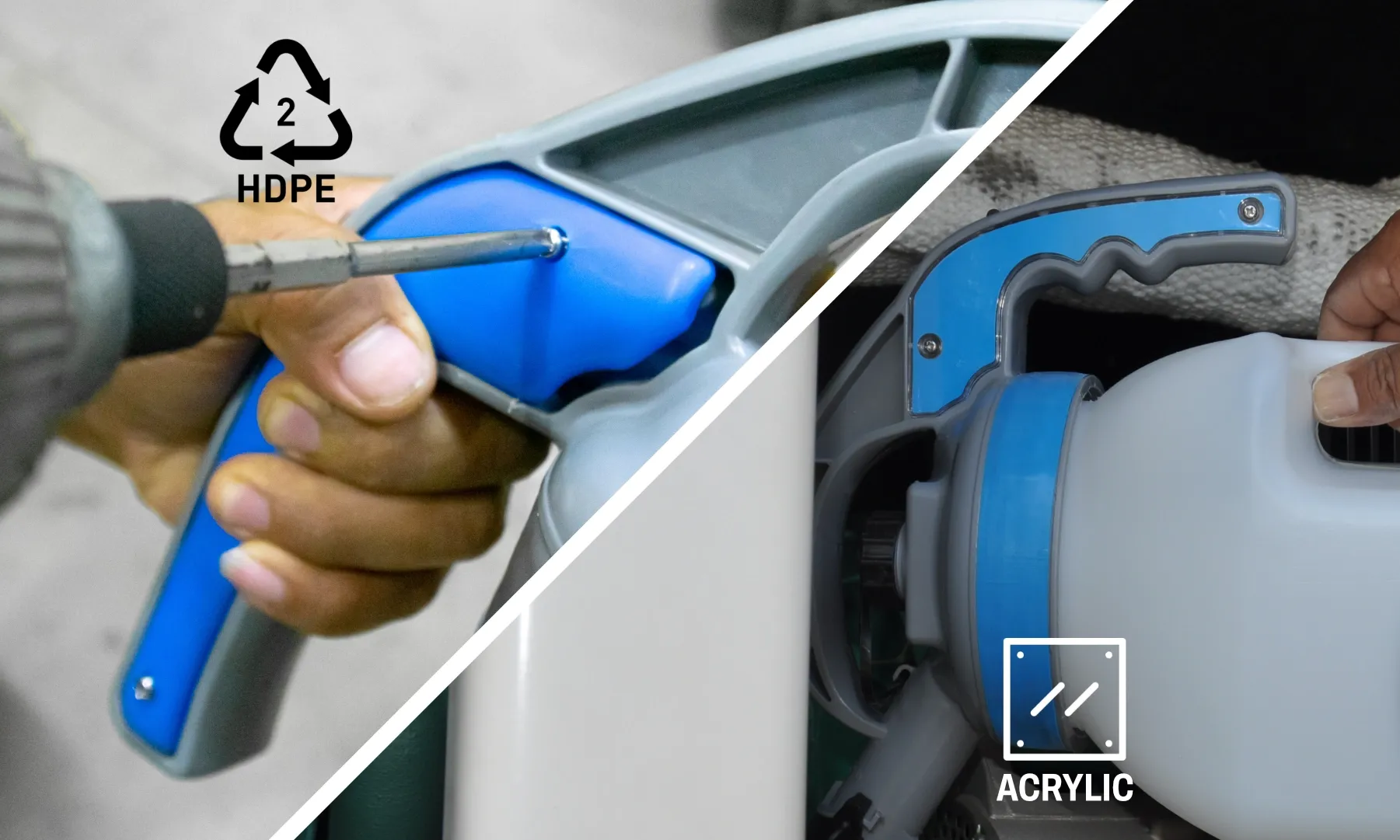
The iTag product from iCan Indonesia has moved from acrylic plastic to HDPE (High-Density Polyethylene). This change was made to improve durability, flexibility, and long-term usability. HDPE is strong, impact resistant, and lighter than acrylic, making it suitable for applications where durability is important.
What Is HDPE?
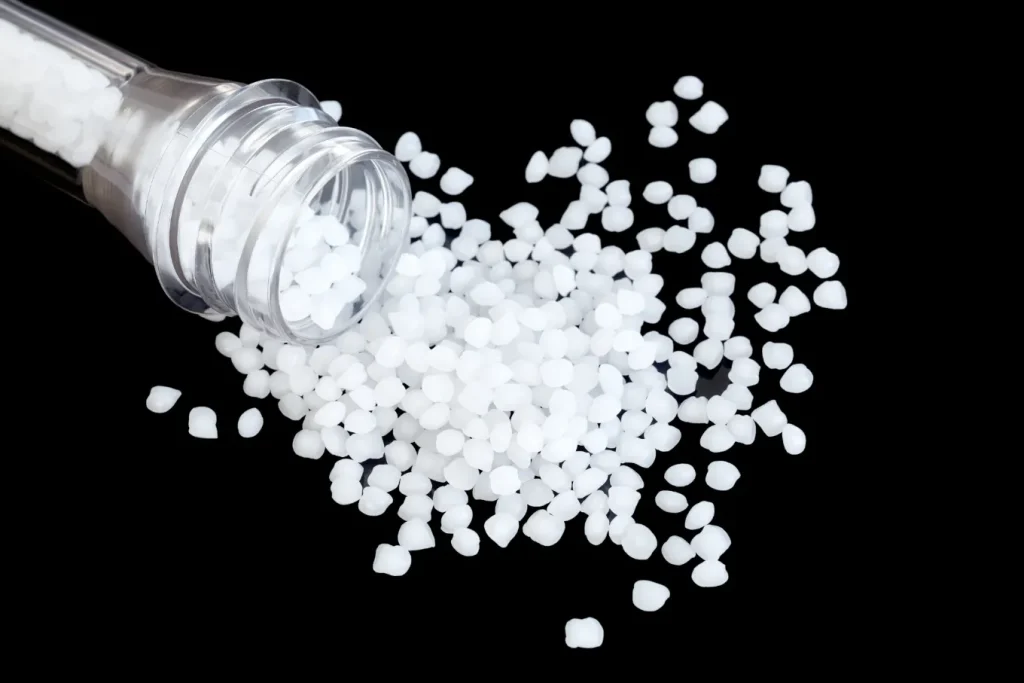
HDPE, or High-Density Polyethylene, is a type of polyethylene plastic with a dense molecular structure. It is widely used because of its strength, impact resistance, chemical resistance, and ability to perform in demanding conditions.
In industry, HDPE is commonly used for pipes, storage containers, packaging, agricultural products, and many consumer goods.
Why iCan Indonesia Changed from Acrylic to HDPE
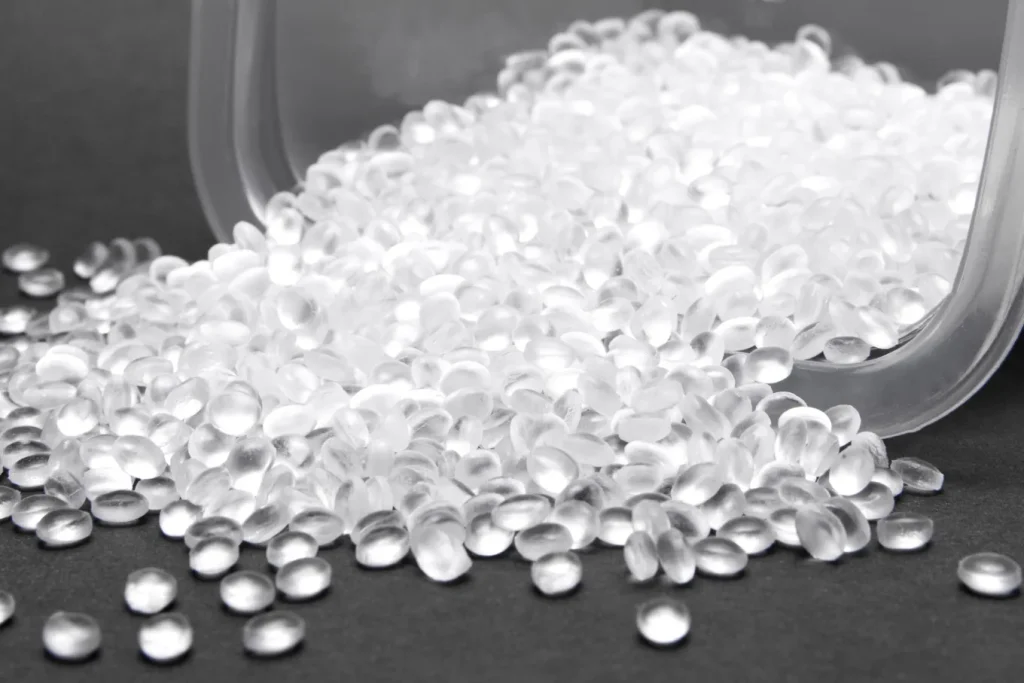
iCan Indonesia chose HDPE for iTag because acrylic has limitations in impact resistance and flexibility. Acrylic can provide a clear and attractive appearance, but it is generally more brittle and can crack when exposed to impact or pressure.
HDPE offers greater toughness and flexibility. It can handle demanding environments more effectively and is also lighter, which can make manufacturing and everyday handling easier.
HDPE is also more widely recyclable than acrylic, supporting iCan Indonesia’s aim to use a practical material with a better long-term environmental profile.
HDPE and Acrylic: A Simple Comparison
Durability
- HDPE: resistant to impact, chemicals, and demanding operating conditions.
- Acrylic: visually clear but more brittle and more likely to crack under impact.
Flexibility
- HDPE: offers more flexibility and toughness for practical industrial use.
- Acrylic: is more rigid and less suitable where repeated impact or flexing may occur.
Typical Applications
- HDPE: commonly used for packaging, pipes, containers, and products that need long-term durability.
- Acrylic: commonly used for decorative and visual applications such as signage and transparent display products.
Benefits for iTag Users
1. Improved Durability for Fluid Identification
The HDPE material used for iTag provides good resistance to chemicals and impact, helping the identification system remain usable in demanding work environments.
2. Lower Risk of Identification Errors
A stronger and more durable tag is less likely to become damaged during normal use. This helps keep colour identification clear and reduces the risk of choosing the wrong fluid.
3. Better Long-Term Value
Because HDPE is durable, iTag may need less frequent replacement than a more brittle acrylic version, helping reduce replacement costs over time.
4. More Recyclable Material
HDPE is widely recyclable, giving users a material option that can support better plastic waste management when appropriate recycling facilities are available.
iTag: A Practical Fluid Labelling Solution
For users who need a clear, durable, and practical fluid identification system, HDPE iTag provides a simple colour-coding solution for industrial environments.
For more information or purchasing enquiries, contact our team at sales@aqualine.co.