Introduction
Keeping industrial machines in good condition depends on regular and correct lubrication. A grease gun is one of the most important tools for delivering grease to bearings, joints, fittings, and other points where friction needs to be controlled.
Choosing the right grease gun is important because different machines and working environments have different requirements. This guide explains the main types of grease guns, what to consider before buying, and how to maintain the tool properly.
What Is a Grease Gun and Why Is It Important?
A grease gun is a tool used to deliver grease to specific lubrication points on machines and equipment. Proper lubrication helps reduce friction, slow down wear, and support reliable machine performance.
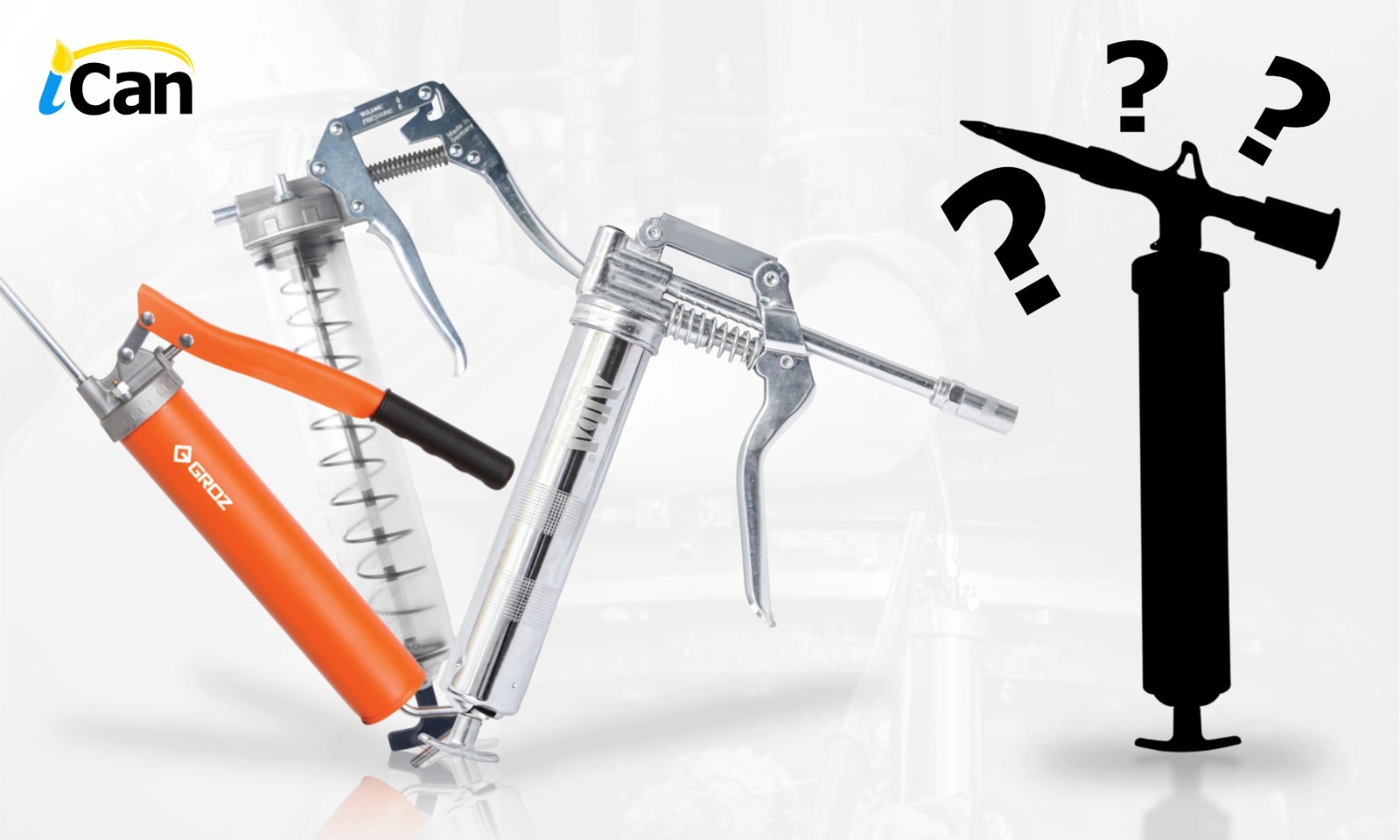
Grease guns are available in several types, from simple manual models to pneumatic, electric, and battery-powered tools. Each type is suitable for different workloads and operating conditions.
What to Consider When Choosing a Grease Gun
1. Type of Grease Gun
Manual grease guns are simple, affordable, and useful for light maintenance or locations where power is not available. Pneumatic, electric, and battery-powered models can be more suitable when many lubrication points need to be serviced regularly.
2. Pressure and Capacity
Check the pressure required by the machine’s lubrication points and make sure the grease gun is suitable for that pressure. Also consider the grease capacity. A larger capacity may reduce the need for frequent refilling during high-volume maintenance work.
3. Build Quality and Durability
Choose a grease gun made from durable materials that can handle the working environment. A good-quality tool may cost more at first, but it can reduce replacement and maintenance costs over time.
4. Ease of Use
Ergonomic design can make a major difference during frequent maintenance. Look for a comfortable handle, manageable weight, easy grease loading, and a hose or nozzle arrangement that suits the access points on your equipment.
Common Types of Grease Guns
1. Manual Grease Gun
Manual grease guns are portable and do not require electricity or compressed air. They are suitable for smaller jobs, occasional maintenance, and remote locations.
2. Pneumatic Grease Gun
Pneumatic grease guns use compressed air to deliver grease. They can provide fast and consistent grease application and are often used in workshops and larger industrial maintenance operations.
3. Electric Grease Gun
Electric grease guns use an external power source and are suitable for repetitive or high-volume lubrication work where efficiency is important.
4. Battery-Powered Grease Gun
Battery-powered models combine powered grease delivery with portability. They are useful for field work and locations where direct access to electricity or compressed air is limited.
Common Mistakes to Avoid
Using the Wrong Pressure
If the pressure is too low, grease may not reach the lubrication point correctly. Excessive pressure can damage seals, fittings, or other components. Always follow the equipment manufacturer’s specifications.
Ignoring Grease Capacity
A grease gun with a capacity that is too small for the workload may require frequent refilling and slow down maintenance.
Choosing Price Over Quality
A low-cost grease gun may seem attractive, but poor durability can result in more frequent replacement. Consider long-term reliability as well as purchase price.
How to Maintain a Grease Gun
- Clean the grease gun after use to prevent dirt and hardened grease from building up.
- Inspect the nozzle, hose, seals, and coupler regularly for leaks or damage.
- Use grease that is compatible with both the grease gun and the machine.
- Follow the manufacturer’s service and maintenance recommendations.
- Store the grease gun in a clean, dry location when it is not in use.
Conclusion
Choosing the right industrial grease gun can make routine lubrication faster, easier, and more reliable. Consider the operating method, pressure, capacity, durability, and comfort before selecting a tool.
If you are looking for industrial grease equipment, iCan offers a range of lubrication solutions for different maintenance requirements.
Contact iCan to discuss a suitable lubrication solution for your industrial equipment.